Know what’s going to fail — and what it’s going to cost.
Capital planning for every mechanical asset in your portfolio.
Chillers, boilers, PTACs, elevators, kitchen, laundry, generators — inventoried, condition-scored, and forecast into a plan you can hand to ownership.
Tower · Floors 4–9
PTAC fleet — 214 units, installed 2011
Fleet failure curve
Rooms go out of order on a schedule you can predict.
The information exists. It just never reaches the people writing the checks.
Your engineers know which unit runs hot and which boiler is on borrowed time. That knowledge lives in their heads and in three spreadsheets that disagree.
It rarely reaches the capital plan. So the plan gets built from square footage, a percentage, and a guess.
The binder problem
Nameplate data is a photo on someone’s phone and a PCA from the last transaction. Nobody has an accurate list of what you own.
The surprise problem
A chiller fails in July. Emergency rates, no competitive bids, peak occupancy — and an unbudgeted six figures to explain.
The defensibility problem
Ownership asks what five years of mechanical capex looks like. You can produce a number. You can’t produce the reasoning.
From the nameplate to the budget line.
What Capset doesBuild the inventory.
Every asset, captured once and standardized: make, model, serial, capacity, install date, refrigerant, location. Photos and documents attached.
Score the condition.
Service life tables are the starting point, not the answer. We adjust for runtime, service history, environment, and observed condition — a remaining life that reflects the unit in front of you.
Decide service or replace.
Repair cost against remaining life, replacement cost, efficiency delta, refrigerant status, and what deferral costs. The recommendation comes with the math attached.
Build the outlook.
A year-by-year forecast across the portfolio. Model deferrals, smooth against a cap, sequence by season. Export it for the board or the lender.
Portfolio outlook — 12 properties · mechanical capex
Sample data
Not just HVAC.
Chillers and boilers, yes. Also the elevators, the walk-in condensing units, the flatwork ironer, the pool heater, the fire pump, the 214 PTACs in the guest rooms, and the generator nobody has load-tested since 2019.
The expensive surprises rarely come from the equipment you were already watching.
See the full asset list →Chillers · cooling towers · boilers · heat exchangers · RTUs · air handlers · VRF · PTAC / PTHP · exhaust fans · pumps · VFDs
Water heaters and storage tanks · booster pumps · recirculation pumps · backflow preventers · softeners · grease interceptors
Passenger and service elevators · escalators · dumbwaiters · lifts
Walk-in coolers and freezers · condensing units · ice machines · combi ovens · fryers · warewashers · hood and suppression
Washer-extractors · tumble dryers · flatwork ironers and finishers · steam boilers · lint collection
Pool and spa pumps · filters · heaters · chemical controllers · water features
Generators · automatic transfer switches · fire pumps and jockey pumps · UPS · switchgear
BAS / BMS · energy management systems · guest room energy management · thermostats
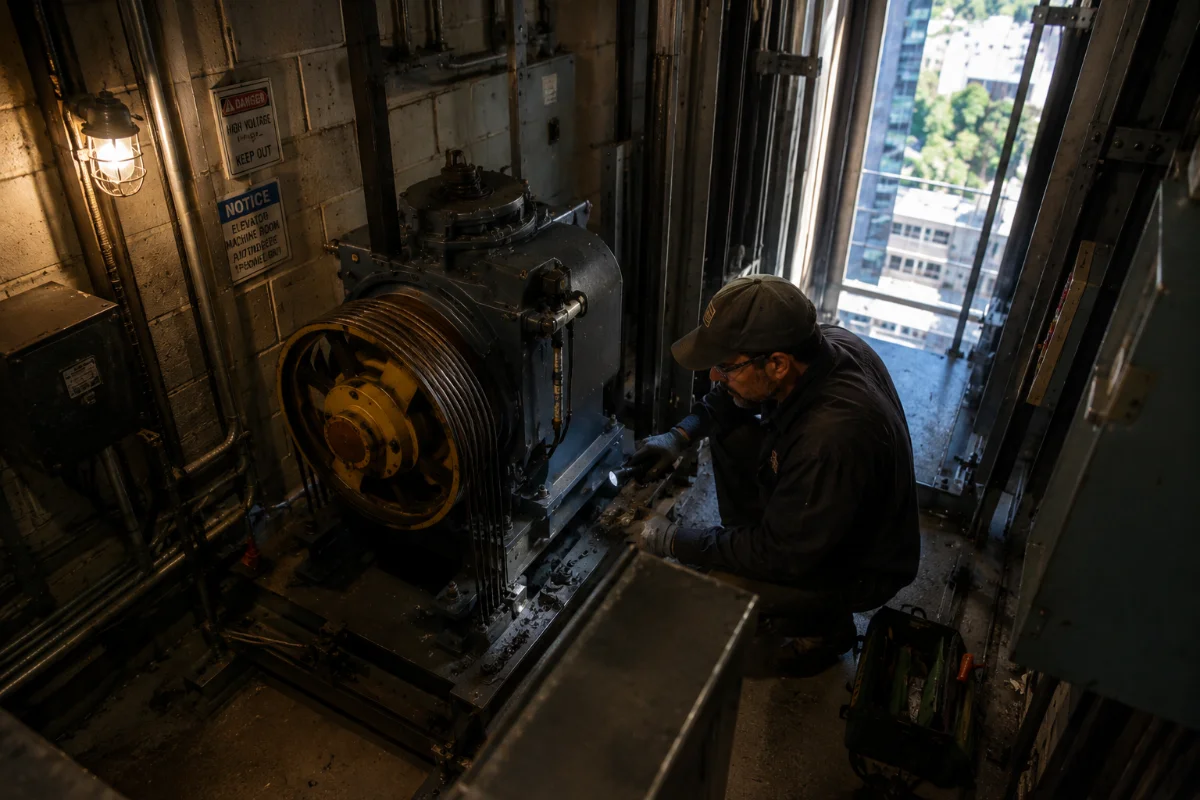
We’ll walk the properties ourselves.
Field capture and pricing →Capture in progress
Asset software dies at the data. It ships empty, nobody populates it, and six months later the tool is dead.
So we do it. Our field teams walk your mechanical rooms, roofs, kitchens, laundries, and guest floors — nameplates, condition scores, photos, documents. You provide access. We provide the inventory and the first capital plan.
Rather your team captured it? The app works offline, because mechanical rooms don’t have signal.
Capset is not a CMMS.
Where it sits| Category | Work order software | PCA / reserve study | Capset |
|---|---|---|---|
| Answers | What broke today | What might break, as of the last transaction | What breaks next, and what it costs |
| Data | Ticket history | A consultant’s one-time visit | Live asset condition, refreshed as work happens |
| Output | Completed work orders | A PDF | A rolling multi-year capital plan |
| Refreshes | Continuously | Every 3–5 years, or at sale | Continuously |
Already run a CMMS? Keep it. Capset picks up where the work order closes.
Built first for hotels.
Hotels are where mechanical failure has a price tag attached. A dead PTAC is an out-of-order room. A chiller down in August is a block of them. We started here because it’s the asset class where not knowing is easiest to price.
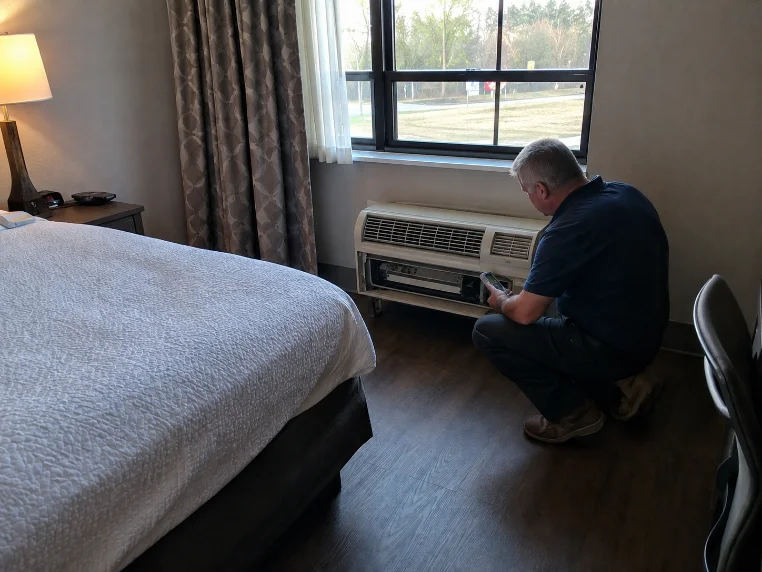
Find out what’s on borrowed time.
Book 30 minutes. Bring one property. We’ll show you what its next ten years look like.
Recruiting design partners now — see what that involves →